
Santiago and the Sea: Feminine Relationship
The Old Man and the SeaSantiago's view of the sea as a woman, a source of life and danger, whom he loves and respects.
increasing Bearing strength in each event
 decreasing
Bearing strength in each eventdecreasingLa Mar
La Mar
The Feminine Sea
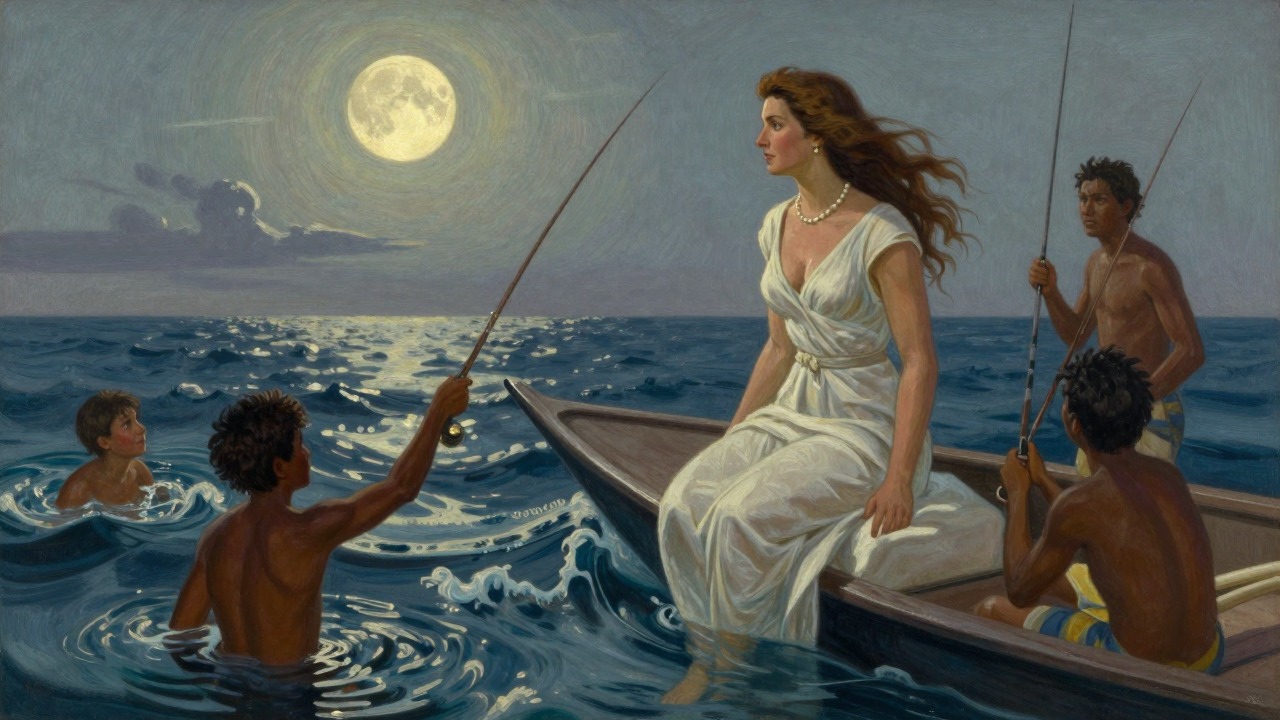
Santiago always thinks of the sea as la mar, a feminine entity. She gives or withholds favors. She can be wild, but she cannot help it. The moon affects her like a woman.
The Younger Fishermen
The younger fishermen call the sea el mar, masculine, as a contestant or enemy. But Santiago loves the sea. He sees her as a person, not a thing.
This emotional bond shapes his entire relationship with nature.
The Sea's Gifts
The Sea's Gifts
The Plankton and the Current
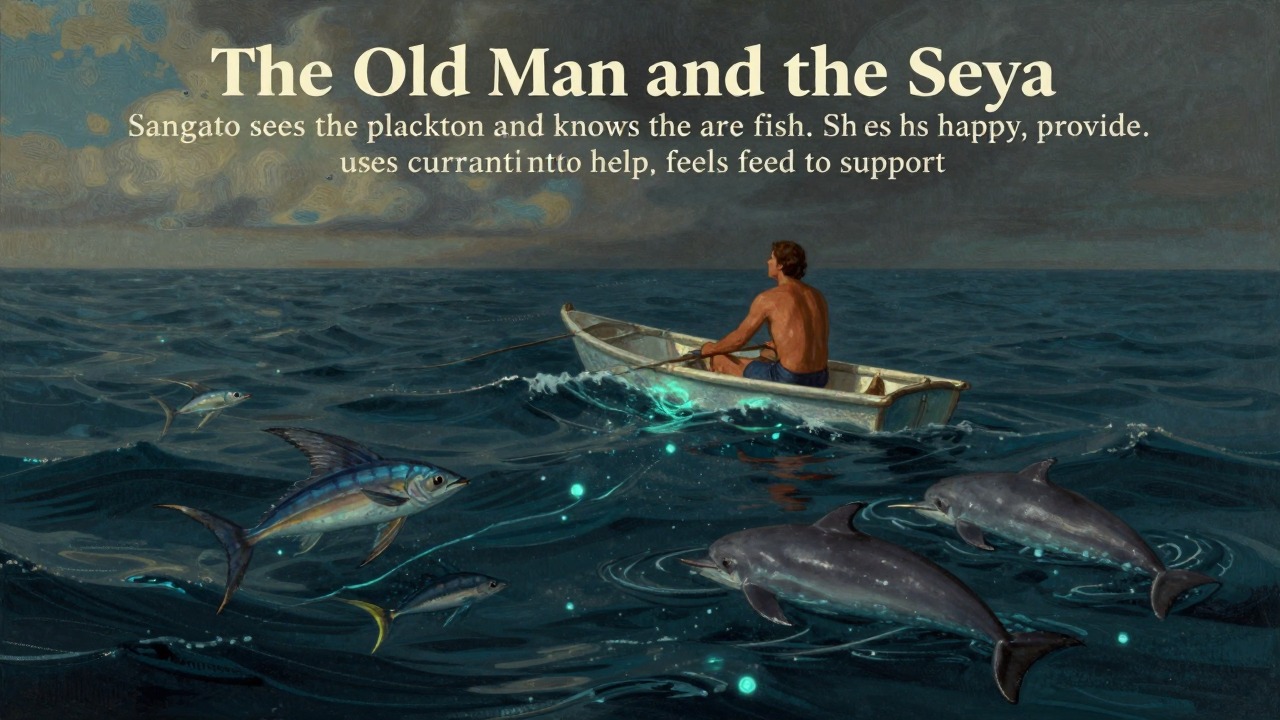
Santiago sees the plankton and knows there are fish. He is happy. The sea provides. He uses the current to help him. He feels the sea's support.
The Sea's Beauty
He enjoys the phosphorescence, the flying fish, the porpoises. He loves the sea's beauty. He is at home on the water.
This emotional connection sustains him during the ordeal.
The Sea's Cruelty
The Sea's Cruelty
The Sharks as Her Children
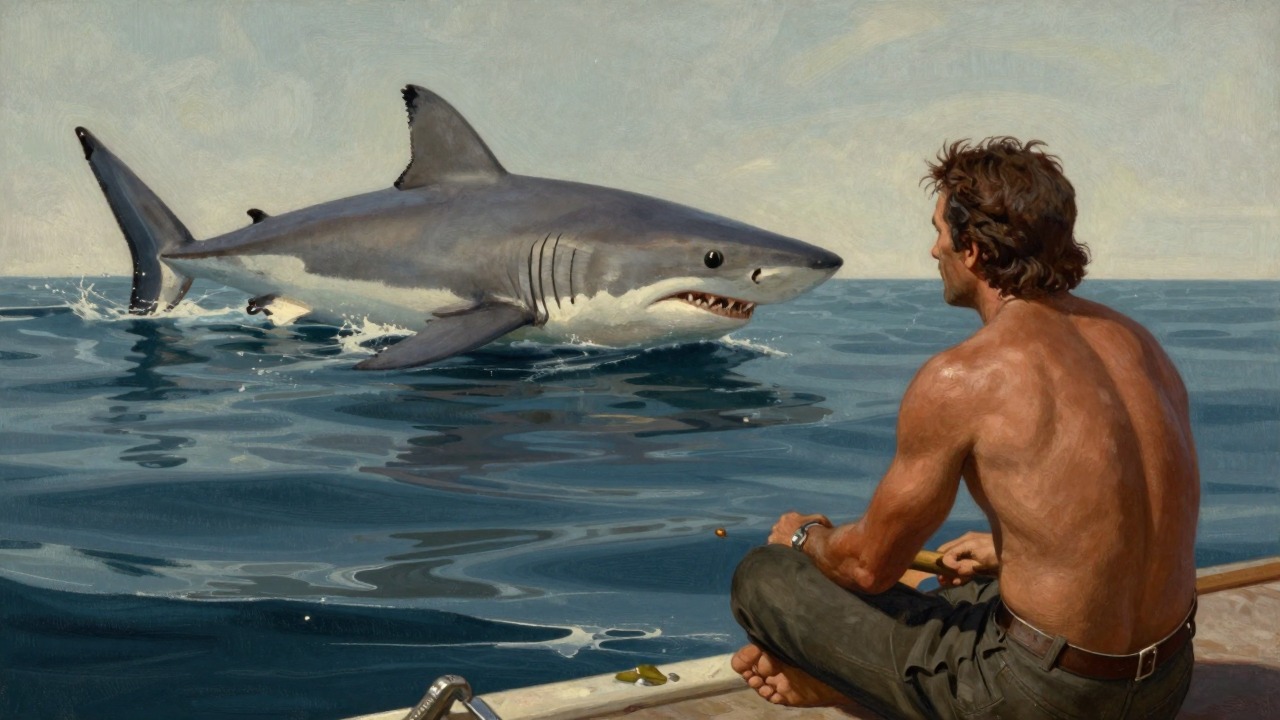
The sharks come from the sea. They are part of her. Santiago does not hate the sea for sending them. He accepts her nature. He says, "I went out too far."
The Reconciliation
When he returns, he is back on land, but his bond with the sea remains. He will go out again, with the boy. The sea is his home, his lover, his enemy, his friend.
This complex emotional relationship is the core of the novel.
early in the story
during the fishing
during the shark attacks
